

Your fuse board, also known as a consumer unit, is the heart of your home’s electrical system. It distributes electricity safely around your property and protects wiring, appliances, and ultimately you and your family. If it isn’t working correctly, the consequences can be serious.
Fire Risk
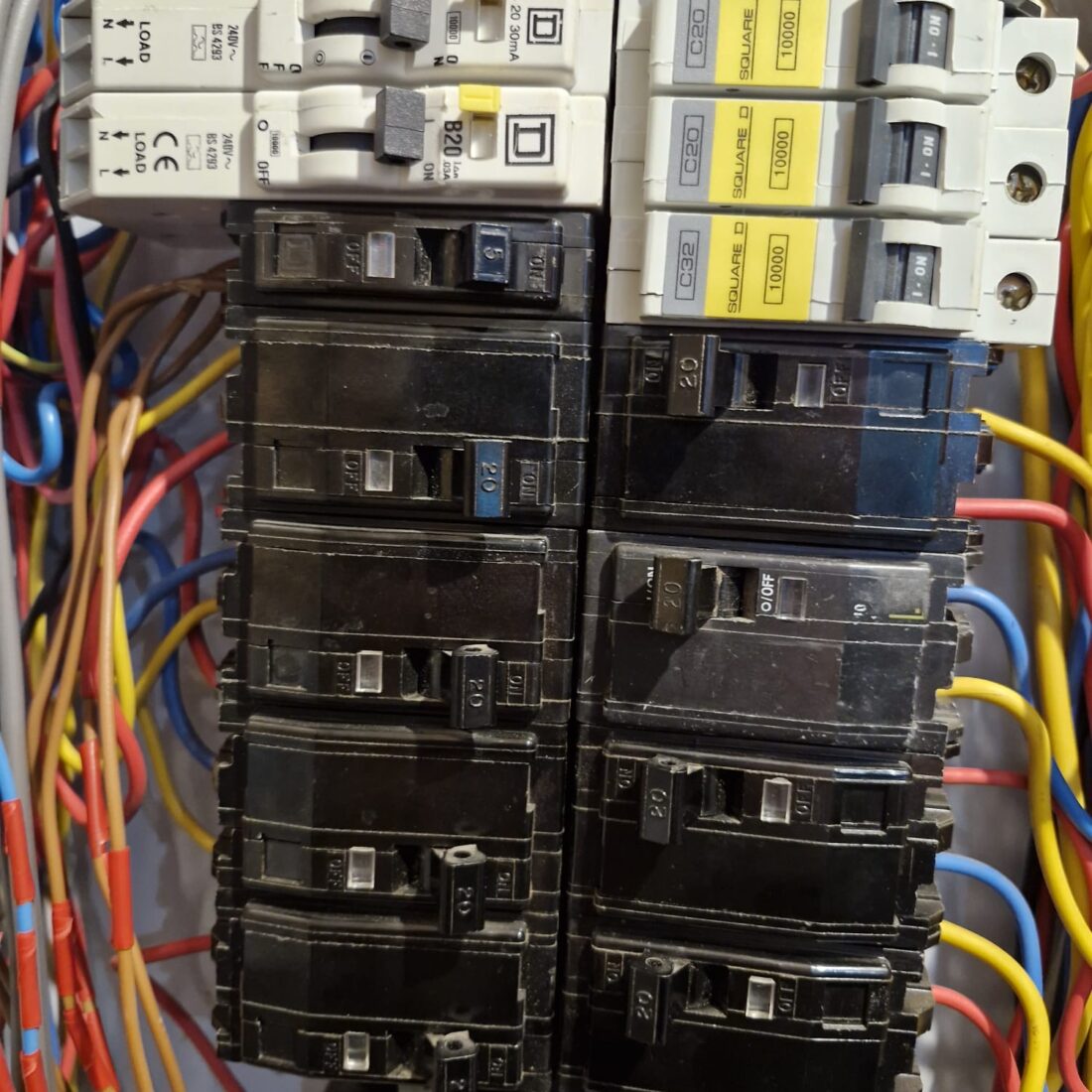
One of the biggest reasons fuse board safety matters is fire prevention. Faulty wiring or an outdated consumer unit can overheat, spark, or fail to cut power when needed. In older Glasgow homes, particularly those built before the 1980s, fuse boards may not meet modern safety standards. A failing fuse board can be a hidden fire hazard, often showing no obvious signs until it’s too late.
Insurance Compliance
Insurance companies expect your home to be electrically safe. If a fire or damage occurs and it is discovered that your fuse board was outdated, faulty, or had no recent safety checks, it can affect your claim. Keeping your consumer unit safe and up to date protects both your property and your ability to claim in the event of an incident.
Legal and Safety Compliance
Modern electrical standards are strict for a reason. Consumer units installed years ago may not comply with current wiring regulations. Safety regulations are designed to reduce risk, including features such as residual current devices (RCDs) that protect against electric shocks. An inspection by a qualified electrician ensures your fuse board meets these standards, keeping your home safe and compliant with current regulations.
Peace of Mind
Even if everything seems fine, knowing your fuse board is in good condition gives peace of mind. You can run your appliances, charge devices, and heat your home without worrying about hidden electrical hazards. Regular inspections and timely upgrades ensure your family and property remain safe.